How to process | Titanium Dioxide
Handling titanium dioxide (TiO₂) requires careful consideration – and the right diverter valve is essential for maintaining process efficiency, product quality, and reliable material flow.
Processing titanium dioxide | the challenge
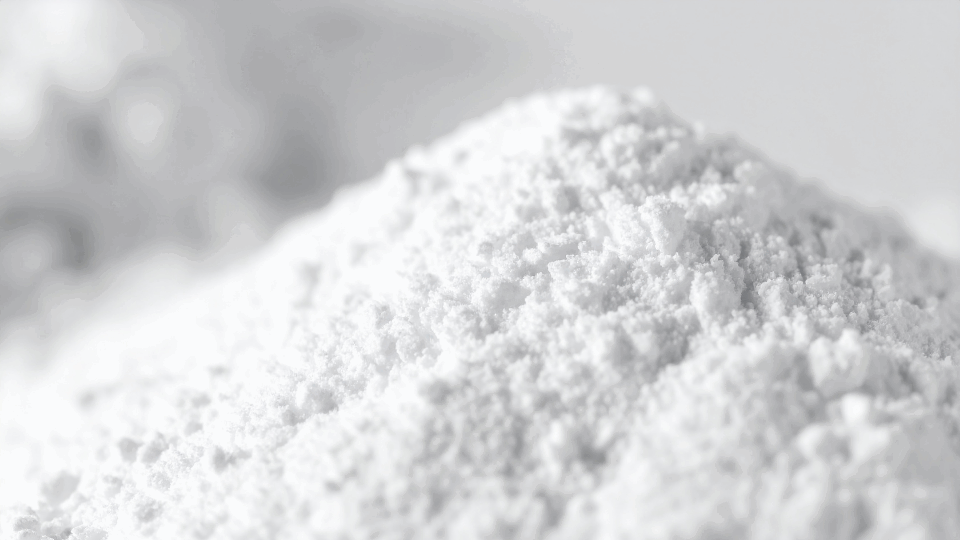
Titanium dioxide is an ultra-fine, dense powder known for its high whiteness and opacity. It can be abrasive, prone to dust generation, and may retain air during conveying. In production environments, such as paint, coatings, plastics, and pharmaceutical manufacturing,
TiO₂ often needs to be routed from a single conveying line to multiple destinations or vice versa. Without a properly engineered diverter valve, material flow can become inconsistent, resulting in product build-up, increased wear, contamination risks, and reduced process reliability.
Why titanium dioxide is difficult to handle | hygiene control
In paint production in particular, titanium dioxide is one of the most important raw materials, directly influencing brightness, opacity, and colour consistency. Any cross-contamination, material degradation, or inaccurate routing can negatively affect product quality and lead to costly off-spec batches. As a result, the diverter valve plays a critical role not only in directing material flow, but also in preserving the integrity of the production process.
The role of the diverter valve
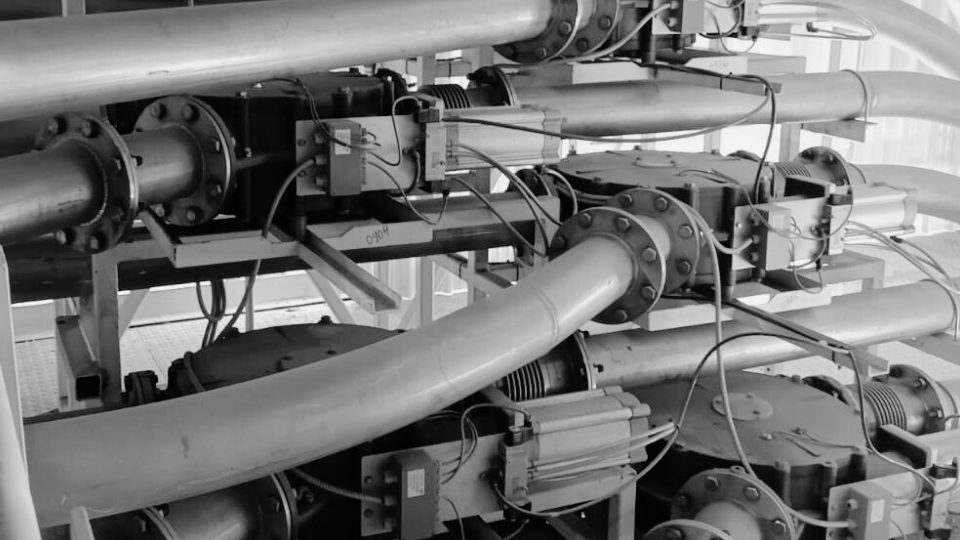
Diverter valves for titanium dioxide are designed to provide reliable switching between conveying lines while minimising wear and leakage. Abrasion-resistant materials, optimised flow paths, and robust, inflatable sealing helps maintain long service life in demanding applications. Tight sealing prevents material loss and contamination, while smooth internal surfaces reduce product accumulation and ensure efficient transfer.
Selecting the appropriate diverter valve configuration is essential for applications involving pneumatic conveying, silo distribution, production line feeding, or routing material to multiple mixing and storage locations.
Optimal titanium dioxide flow | the result
When titanium dioxide is diverted accurately and contamination risks are minimised, production becomes more efficient, maintenance requirements are reduced, and consistent product quality can be maintained throughout the process.
Choosing the right diverter valve | the takeaway
Choosing the right diverter valve is not just about rerouting powder – it is about safeguarding smooth material flow and process reliability. We understand the demands of titanium dioxide and are here to help you select the right solution.
Give us a call at +31252375068 of send an email to sales@tbma.com
--------------------
Image: DTD dual pipe plug diverter valve
- Application: conveying TiO₂
- Pipe size: 125 mm
- Execution: inflatable seals
- System pressure: up to 6 barg