How to engineer | High-temperature valves
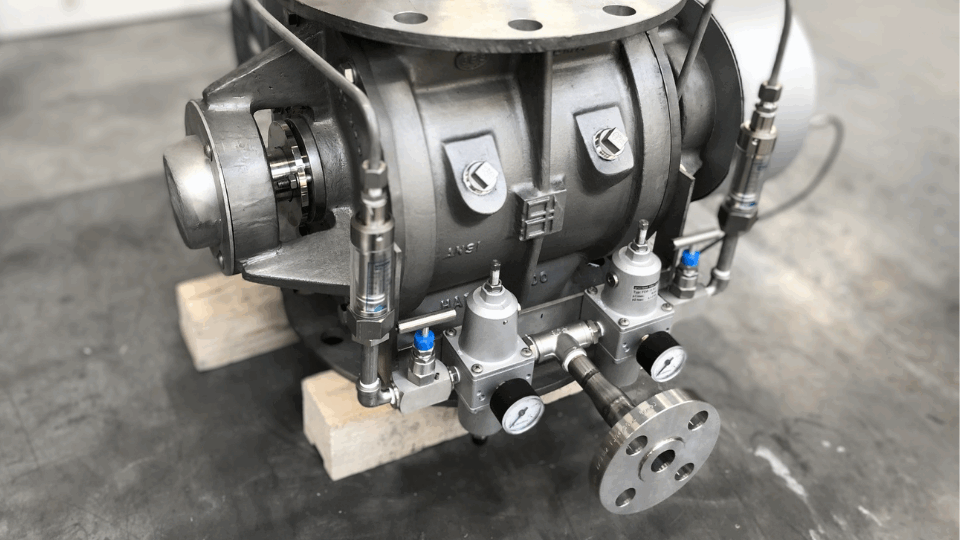
Building rotary valves that perform reliably under extreme heat? Think again. Engineering rotary valves for high‑temperature applications is far more complex than it may seem.
Engineering rotary valves for high temperatures
When designing rotary valves that operate reliably in high‑temperature environments, it’s not just about selecting materials that can withstand the temperature. They must also retain their mechanical strength and stiffness under continuous thermal load.
Clearances between rotor and housing become critical—especially since the rotor typically heats up faster than the housing, creating a real risk of contact and seizure.
The drive system requires equal attention. Motors need heat shielding, chain guards must be perforated for cooling, and conventional coatings are no longer an option—pushing the design towards stainless steel execution.
Then there’s wear. In applications involving abrasive catalysts, tungsten coatings are often required to ensure durability. However, differences in thermal expansion between coating and base material introduce new challenges. If not engineered correctly, this can lead to delamination during thermal cycling.
And finally, bearings – often underestimated. High-temperature applications demand either specialized bearings or effective cooling strategies. Excessive thermal and mechanical stress will accelerate degradation and reduce service life dramatically.
This is where experience makes the difference. With almost 60 years of expertise, TBMA specialises in designing rotary valves for demanding and non-standard applications. We don’t believe in one-size-fits-all. We analyse your process conditions in detail and translate them into a reliable, engineered solution tailored to your needs.
Are you facing a high-temperature challenge? Let’s talk.